
Primary tabs
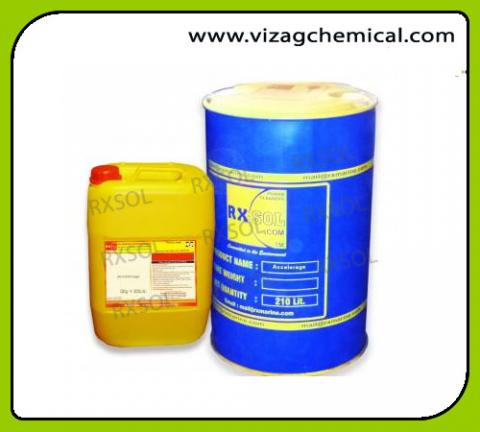
Sapphire Scientific Penetrating Tile and Grout Sealer
Sapphire Scientific Penetrating Tile and Grout Sealer, with SKU RXSOL-41-8615-025
Sapphire Scientific Penetrating Tile and Grout Sealer
RXSOL-41-8615-025 | Penetrating Tile & Grout Protection Solution
Sapphire Scientific Penetrating Tile and Grout Sealer is a professional surface-protection product designed to help protect tile and grout surfaces against soil and staining. Its penetrating treatment is intended for use where maintaining a cleaner, easier-to-maintain tile and grout surface is important.
The product is listed under RXSOL-41-8615-025 and is available through RXSOL-associated chemical supply channels serving marine, industrial, commercial and maintenance customers. (Sohar Chemical)
Typical Applications
The product can be considered for suitable tile and grout surfaces in:
-
Commercial buildings
-
Hotels and hospitality facilities
-
Restaurants
-
Shopping and retail facilities
-
Offices
-
Residential properties
-
Bathrooms and wash areas
-
Floor and wall tile maintenance
-
Cleaning and restoration projects
-
Professional tile-care operations
Before application, the actual tile, grout and substrate should be checked for compatibility and a small inconspicuous test area should be treated.
Surface Preparation
Proper surface preparation is important for achieving consistent results.
Before application:
-
Thoroughly clean the tile and grout.
-
Remove dirt, grease, old residues and other contaminants.
-
Allow the surface to dry as required.
-
Check for existing sealers or coatings.
-
Test the product on a small inconspicuous area.
-
Confirm compatibility before treating the complete surface.
The surface should be adequately clean and prepared before sealing.
Application
Apply the product according to the current manufacturer label, TDS and SDS.
The application method may depend on the surface, porosity and project requirements. Avoid uncontrolled aerosol generation and provide appropriate ventilation.
Do not use an assumed dilution, coverage rate or contact time unless it is confirmed by the current product TDS or manufacturer instructions.
What is Penetrating Tile and Grout Sealer?
A penetrating sealer works by treating the porous structure of the substrate rather than simply creating a conventional surface film. This type of treatment can help reduce the absorption of contaminants and make routine cleaning and maintenance easier.
Sapphire Scientific Penetrating Tile and Grout Sealer is identified in its available SDS as a soil and stain repellent
Key Benefits
-
Penetrating tile and grout protection
-
Helps resist soil and staining
-
Suitable for professional cleaning and restoration applications
-
Helps maintain the appearance of treated surfaces
-
Useful for tile and grout maintenance programs
-
Designed for professional application
-
Available for commercial and bulk supply requirements
Technical Identification
| Property | Information |
|---|---|
| Product Name | Sapphire Scientific Penetrating Tile and Grout Sealer |
| RXSOL Product Code | RXSOL-41-8615-025 |
| Product Type | Penetrating tile & grout sealer |
| Primary Function | Soil and stain repellency |
| Application | Tile and grout surface protection |
| Form | Chemical liquid formulation |
| Use | Professional surface treatment |
| Documentation | SDS/TDS should be checked before use |
The available SDS identifies the product formula as F1211 101-92-C and describes a partially fluorinated alcohol reaction product with phosphorus oxide and ammonium salts at less than 3% in the listed formulation.
How Penetrating Sealer Works
Unlike a conventional coating that primarily forms a visible film on top of a surface, a penetrating sealer is designed to enter suitable porous areas of the substrate.
The treatment can help reduce the ability of soil and staining materials to penetrate the treated surface, making subsequent maintenance and cleaning more manageable.
Actual performance depends on:
-
Surface porosity
-
Tile and grout type
-
Existing contamination
-
Surface preparation
-
Application method
-
Number of applications
-
Environmental conditions